clearout
  • Products
    • Email Verifier Verify emails addresses individually, in bulk or through API, with 99% accuracy
    • Email Finder Find individual or bulk emails by entering the person & company name or domain
    • Form Guard IconForm Guard Protect your forms from spam, bots, and invalid submissions with real-time email, phone, and name verification.
    • Prospect SQL/MQL list building with high levels of personalization, real-time data enrichment and prospect search
    • Clearout For SheetsVerify email addresses directly on Google Sheets with Clearout for sheets add-on
    • Prospect – LinkedIn Chrome ExtensionBuild verified, targeted prospect lists directly from LinkedIn profiles
    • ClearoutPhoneValidate phone numbers across 240+ countries in bulk, quick or real time validation
    • Free Tools
    • Disposable Email Checker
    • Reverse LinkedIn Profile Lookup Tool
    • Reverse Email Lookup Tool
    • Email List Cleaner
  • Resources
      DEVELOPERAPI iconAPI
      Clearout APIs are structured around REST and JSON
      Webhooks iconWebhooks
      Capture real-time events in your application workflow
      Form Guard iconForm Guard
      Real-time form validation to keep bad contacts out of your CRM
      KNOWLEDGE BASEGetting started iconGetting started
      Sending campaigns without bounces is made simple
      FAQ iconFAQ
      Easily find answers to services, security and common questions
      USE CASESLead Generation iconLead Generation
      Learn how professionals generate quality leads
      GUIDESPricing arrow iconTransparent & flexible pricing to support pay-per-use or recurringCompare Email Verification Tools arrow iconAI-powered email verification with 99%+ accuracy, real-time validation, and transparent risk scoringCompare Email Finder Tools arrow iconPre-verified B2B email addresses with confidence scoring, find real person email, not role-based addressBLOGSEmail Verification ToolsFind Anyone’s Email Address
      Most Accurate, Fast & Free Ways
      Form Validation
      Importance, Ways & Best Practices
      View All Blogs
  • Pricing
  • Integrations
  • Enterprise
  • Login
Try it free Book a 1-to-1 demo
Akanksha Mishra / January 22, 2026 January 22, 2026

6 Biggest Email Verification Myths and What’s Actually True

6 Biggest Email Verification Myths and What’s Actually True

Email marketing is still a channel many businesses depend on, whether they’re small teams or large companies. Recent data indicate that list quality is a greater challenge than many teams anticipate. A 2025 report analyzed nearly 1 billion email addresses across 23 industries and found that just 80.94% of contacts were actually valid.

That means nearly one out of every five emails stored in active databases can hurt campaigns before they even launch. Inbox rules keep changing, and sender requirements are stricter than they used to be. All of this has led to plenty of confusion about email verification.

The goal of this guide is to separate the myths from what actually helps email deliverability and list quality.

Table of Content


‣ What Is Email Verification?
‣ What’s True About Email Verification?
‣ Why is Email Verification Important?
‣ How Smarter Email Verification Supports Business ROI?
‣ Cleaner Lists, Smarter Campaigns, Better Results
‣ FAQs

What Is Email Verification?


Email Verification

Email verification is essentially the procedure that helps marketers in confirming email addresses prior to launching campaigns. It flags dangerous or disposable inboxes, verifies the validity of the domain, and determines whether an address can receive mail.

This supports email list cleaning and protects email hygiene, so your campaigns avoid needless bounce rates or reputation harm.

What Are the 6 Most Common Email Verification Myths?


Myths

Before we get into the myths, let’s be honest: a lot of confusion comes from not really knowing how email verification works. Some marketers think it’s a one-time fix or that every email they send is guaranteed to reach the inbox it’s not. These are a few of the common myths about email verification.

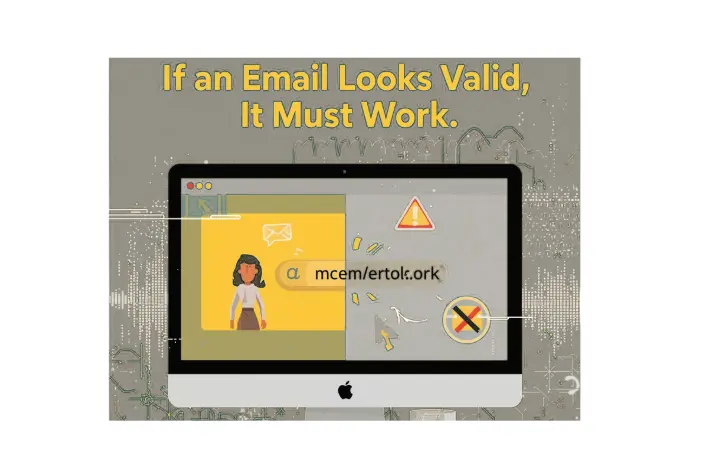
Myth 1: If an Email Looks Valid, It Will Automatically Work

Email Looks valid it must work

An address can look perfectly fine and still fail. Some inboxes are inactive, abandoned, or temporary, even though they follow the correct format. Sending to these addresses often leads to bounced emails, which can quietly hurt campaign performance.

Suggestions

  • Use a tool like Clearout Email Verifier to validate your email list and check whether inboxes are active before adding them to campaigns.
  • Remove dormant or unreachable contacts to keep clean email lists.
  • Regular checks help improve email deliverability over time.

Myth 2: You Only Need to Verify Your List Once


Verified List

Email lists change constantly. People switch jobs, companies shut down domains, and users abandon old inboxes. A list that was clean a few weeks ago can quickly turn risky.

Suggestions

  • Include email list cleaning in your daily tasks.
  • Recheck contacts before large sends or product launches.
  • Consistent email list verification helps reduce long-term risk.

Learn more about maintaining ongoing email hygiene:

How Often Should You Verify Your Email Lists

Myth 3: Small Lists Don’t Need It


 Small Lists

Even small lists can cause problems if they contain bad addresses. A few bounced emails can negatively affect engagement metrics and damage sender trust with inbox providers.

This is one of those email validation myths that sounds logical but doesn’t hold up in practice. List quality matters more than list size.

Suggestions

  • Get a strong email list hygiene from the start.
  • Healthy lists support improving email deliverability across all sends.

Myth 4: Email Verification Removes “Good” Leads

Email Verification

Cleaning a list doesn’t mean losing real opportunities. It just checks invalid, risky, and duplicate emails. What is left is a more superior audience which has chances of opening your emails.

Suggestions

  • Fewer, more responsive contacts lead to better results.
  • Clean email lists help sales campaigns perform more predictably.

Myth 5: All Tools Detect the Same Risks

All tools same risk

Not all solutions look for the same warning signs. Some tools just glance at surface-level stuff, like basic formatting. Others dig in and spot throwaway inboxes or sniff out tricky risk patterns that mess with your email deliverability.

Honestly, not many people talk about this part of email verification, but it can totally make or break your campaign.

Suggestions

  • Select email verification tools that can verify email addresses with deep checks.
  • Better checks reduce surprises during sales campaigns.

Myth 6: It’s Only Necessary for Cold Outreach


Cold Outreach

This process isn’t just for cold campaigns. Newsletters, customer updates, account alerts, and transactional messages all depend on accurate data. Poor list quality can affect every type of email you send.

The reality is that strong email hygiene protects your domain across all communication, not just outbound outreach.

Suggestions

  • Verify email addresses across all campaign types.
  • Maintain consistent email list cleaning for long-term safety.
  • Better data supports smoother inbox placement everywhere.

Not All Solutions Identify Risks the Same Way


There’s a clear difference between basic checks and more thorough email verification methods. Some tools only confirm format or domain existence. More advanced tools look for domain validity and mailbox availability.

The best email verification practices make email campaigns more predictable and reduce avoidable sending risks.

What’s True About Email Verification?


Email verification is a simple process. Its real purpose? Making sure your email list is accurate by catching addresses that don’t work, can’t be reached, or are just going to bounce back before you even press send.

Verification actually checks things like whether a domain is active, if a mailbox exists, and any warning signs that might mess with your deliverability. Tools like Clearout aren’t meant for a one-time cleanup. They’re designed to support ongoing email list verification by checking addresses as they come in and during larger sends.

  • Email Verification: Myths vs. What Actually Matters

    Here’s the honest part: verification helps you focus on inboxes that are real and worth sending to. Cleaning up your list keeps bounce rates down, protects your reputation, and makes it easier to see what’s working in your campaigns. It won’t fix everything, but it does make sending feel a lot more reliable.


  • How Email List Verification Helps in Your Development

    Your emails will reach people who actually use their inboxes if you keep your list organized. Better engagement, more valuable data, and a stronger sender reputation result over time.


  • The Significance of Validation

    It prevents you from squandering time on pointless emails. Rather, your messages are seen by actual people who are able to read, open, and reply to them. It increases your campaign results and return on investment by helping you to concentrate on the people who open, click, and engage.


In practice, this also helps by:

  • Reducing bounce rates, so fewer emails fail to reach inboxes
  • Improving sender reputation, making inbox providers more likely to trust future campaign

Why is Email Verification Important?


Email verification delivers the most value when it’s used at key stages that directly affect your campaign performance and list health, not just as a one-off task. Platforms like Clearout are commonly used at these critical points to help teams reduce risk and maintain data quality.

  • Before major campaigns or high-volume sends.

    Verifying email addresses ahead of time helps prevent bounce spikes that can weaken sender reputation. Clearout’s real-time and bulk checks help identify risky or invalid contacts, disposable, role-based, gibberish before emails go out.


  • When new contacts enter your database.

    Signups from forms, lead magnets, or CRM imports often include typos or disposable addresses. Real-time validation at capture prevents these contacts from entering clean email lists.


  • After importing or merging lists.

    Older or third-party data frequently contains outdated inboxes. Bulk verification helps teams clean existing records and clarify which contacts are still reachable.


  • When engagement trends shift.

    If your open rates suddenly drop or bounce rates jump, your list is usually the problem. Some addresses stop working, and others were never real to begin with. Running regular checks with Clearout helps catch those bad entries early and keeps your list in decent shape over time.

    The point isn’t just to check email addresses. It’s to protect your sending reputation and spend your effort on people who are actually there and likely to engage.


How Smarter Email Verification Supports Business ROI?


Smarter email verification helps teams move from reactive fixes to more predictable marketing outcomes. When lists are kept accurate through consistent checks, campaigns run with fewer interruptions caused by bounced emails or sudden deliverability issues.

Over time, this reliability supports broader business goals. Marketing teams spend less effort troubleshooting and more time improving results, while domain reputation stays protected. The outcome isn’t just better campaigns, it’s steadier performance, clearer insights, and email programs that scale without unnecessary risk.

Cleaner Lists, Smarter Campaigns, Better Results


Even lists that seem well-maintained often have invalid or risky addresses, and that’s what leads to a lot of the common myths around email verification. Believing those myths can impact sender reputation, engagement, and campaign ROI.

For marketing teams under pressure to show results, prioritizing clean email lists and consistent email hygiene should be a priority. When you focus on real people instead of dead inboxes, bounce rates go down by 3%, results make more sense, and your campaigns feel easier to trust.

The real truth behind email verification is simple: cleaner data helps you make smarter choices and get better results.

Build campaigns on cleaner data, not assumptions.


Try Clearout Today

FAQs


1. How does real-time email verification work?
Real-time verification checks an email as soon as someone types it in. That way, bad or risky addresses don’t end up on your list. It happens in the background during sign-ups or form submissions, looking at whether the domain exists and if the mailbox can actually get messages.
2. What are the common email verification myths I should know?
A lot of people get this wrong. Some think verifying emails is just a one-time task, assume that an address that “looks right” will always work, or believe that only big companies need to worry about it.
3. How can you tell if an email list is real?
Look at how people engage with emails being opened or clicked. Regular email list cleaning and risk checks help confirm whether addresses are usable over time.
4. How often should email lists be checked for quality?
Email lists aren’t static. Checking your lists regularly especially before big campaigns or on a set schedule keeps your data accurate and lowers the chances of bounces hurting your sender reputation. A lot of teams rely on tools like Clearout to verify their email lists before sending cold emails.
5. Does a valid email always reach the inbox?
No. A valid email doesn’t always make it to the inbox. Sometimes it ends up in spam or bounces later on, even if the address is real. If your sender reputation isn’t great or your emails look suspicious, that hurts your chances. Verification helps, but honestly, it all comes down to how trustworthy you seem and whether people actually open and engage with your emails.

Share this article

Recent Posts

22 Jan 2026
6 Biggest Email Verification Myths and What’s Actually True

Discover the truth behind common email verification myths. Learn how proper email list verification ...

21 Jan 2026
100+ Email Spam Trigger Words to Be Cautious With in 2026

Explore the list of 100+ spam-associated words to be cautious with in 2026, and see how modern email ...

16 Jan 2026
Why IP Blocking on Forms is Not Enough to Stop Fake Signups

Learn why IP blocking alone can’t stop modern fake signups and how pairing it with real-time form va ...

30 Dec 2025
Build a Verified Email List That Actually Converts in 2026

Learn how to build verified email lists in 2026. Discover email list building tools, common mistakes ...

26 Dec 2025
11 Reasons Why Email Verification is Crucial in Healthcare

Learn 11 reasons why email verification is crucial in the healthcare industry, from HIPAA compliance ...

Clearout's

Form Guard

Validate email, phone & name on any forms!

  • Real signups only
  • Verified emails
  • Valid phone numbers
  • No fake names
  • Cleaner CRM
  • No devs needed
Try for Free Now

Email Verification, Email Finding Form Guard & Prospecting Service

Expand Your Reach By Finding & Verifying Ideal Prospects.

Sign up & get 100 free credits

No Credit Card required

Create Free Account
Company

Why Clearout?

Pricing

Contact Us

Careers

Press

Enterprise

Sitemap

FAQ

Status

Products

Email Verifier

Email Finder

Form Guard

Prospect

LinkedIn Email Finder

Reverse Lookup

Google Sheets Add-on

WordPress Plugin

ClearoutPhone

What's New?

Resources

Integrations

HubSpot

Team Account

API

Compare Email Verifier

Compare Email Finder

Compare Prospecting

Use Cases

Blog

Help

Legal

Privacy Policy

Terms

DPA

Security

Trust Center

Certification

ISO 27001/2022

SOC 2 Type 2

GDPR

Partnership

HubSpot Certified

Affiliates

Partners

Clearout for browser

⚡ Supercharge Your Prospect Research with Clearout's LinkedIn Chrome Extension - Find and Verify Emails with Confidence!

Clearout Chrome extension

clearout
© 2026 Clearout. All Rights Reserved. Powered by Clearout, LLC.
Auto Credit Replenishment is here! Your credits can now recharge automatically. Learn More ➞
X